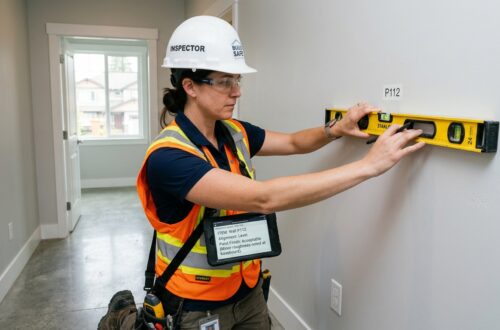
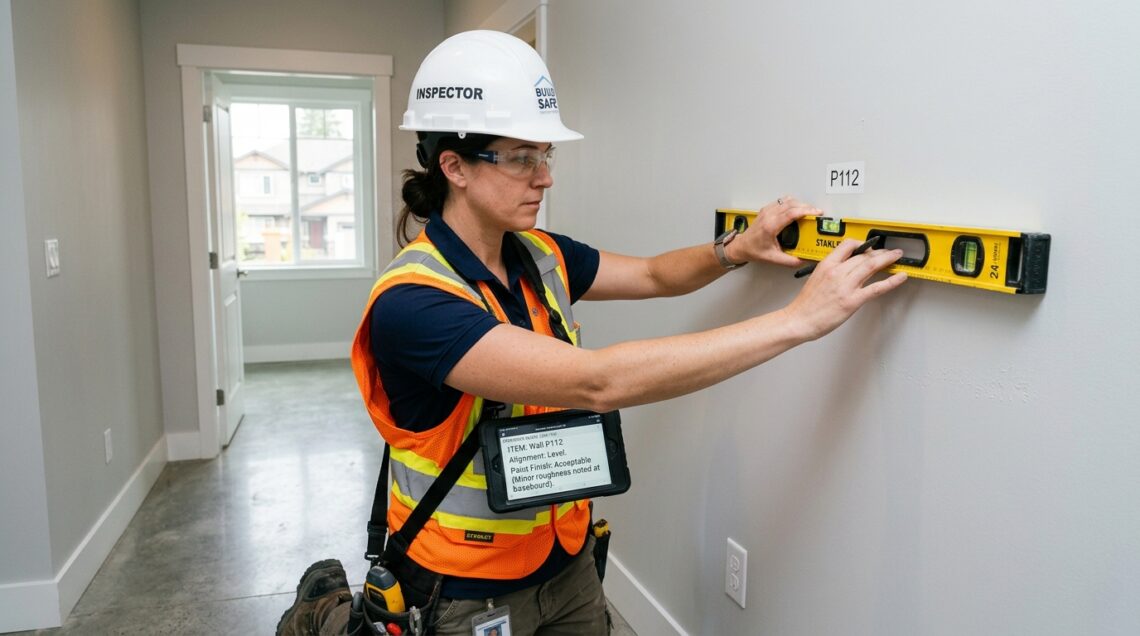
Practical completion occurs when building works are reasonably complete and the home is fit for occupation, except for minor omissions and cosmetic blemishes. Never pay the final progress payment (typically 5% to 10% of contract value) or accept keys until a thorough practical completion inspection is conducted, a written defect punch list is signed by the builder, and the certificate of occupancy is issued.
Contractor Vetting
-
-
Prime Cost (PC) Items and Provisional Sums (PS): How Builders Hide Unexpected Variations
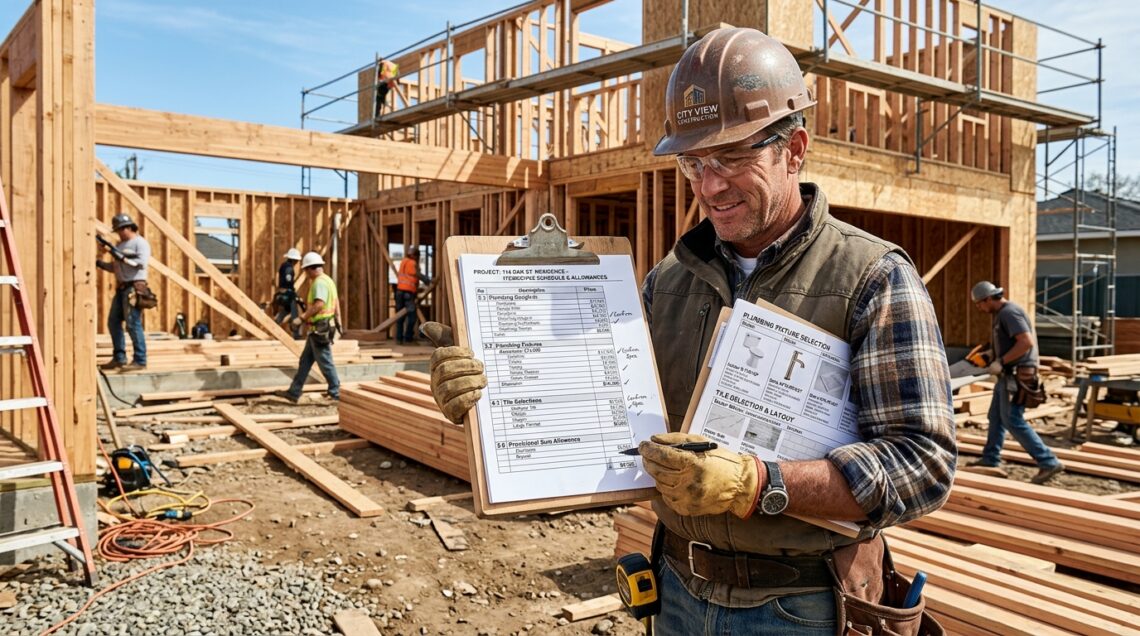
Prime Cost (PC) items are budget allowances for specific fixtures (such as bathtubs, tapware, or appliances) whose supply cost is not finalized at contract signing. Provisional Sums (PS) are allowances for foreseeable work where the full labor and material scope cannot be priced upfront (such as rock excavation or site drainage). Artificially low allowances are the #1 cause of contract price blowouts.
-
Fixed-Price vs Cost-Plus Building Contracts: Risk Analysis and Protection for Homeowners
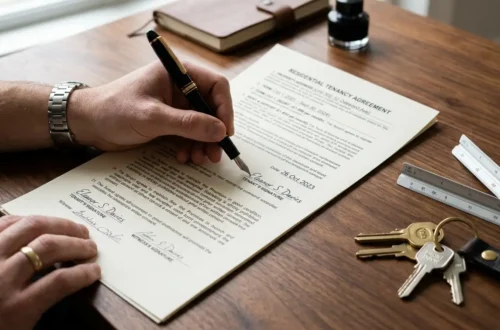
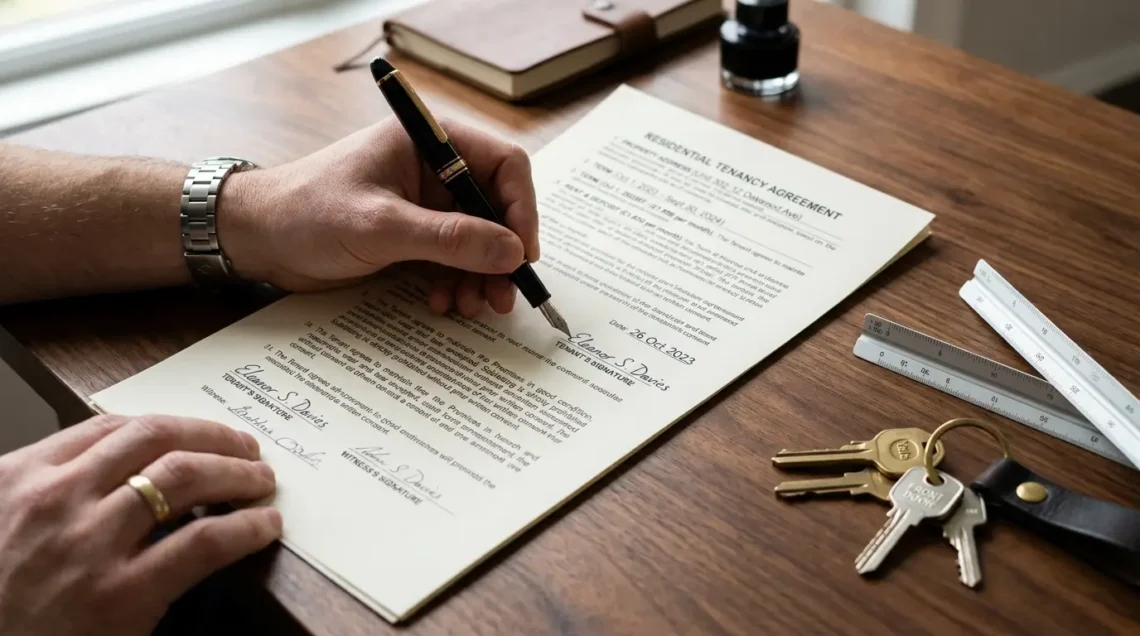
Under a fixed-price contract, the builder assumes the risk of labor and material price fluctuations, agreeing to complete the specified scope for an agreed sum. Under a cost-plus contract, the homeowner pays the actual cost of all materials and sub-trades plus a fixed builder margin (typically 15% to 22%), leaving the final project price uncapped and highly vulnerable to cost overruns.
-
How to Vet a General Contractor: 12 Due Diligence Checks Before Signing a Construction Contract
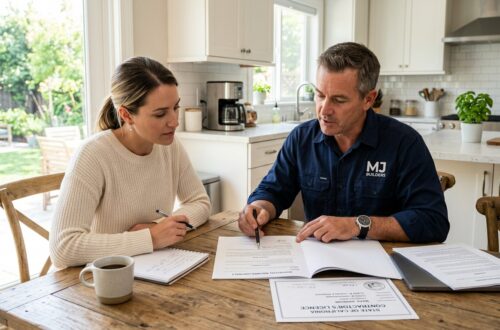
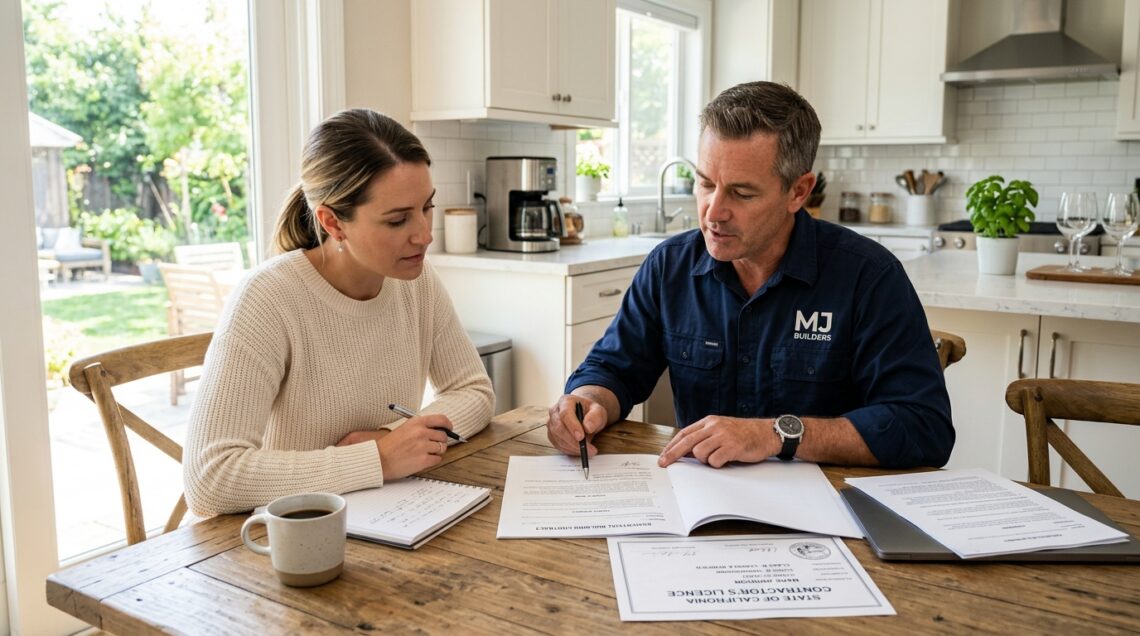
Vetting a general contractor requires verifying active state builder licensing, minimum $5M to $20M public liability insurance, and home warranty insurance eligibility before paying any deposit. Crucially, homeowners should check the contractor's trade supplier credit accounts (to verify they pay timber and concrete suppliers on time) and inspect two completed projects in person.