
Liquidated damages are a pre-agreed daily or weekly rate stipulated in the building contract to compensate the homeowner if the builder fails to achieve practical completion by the contractual completion date. Typical rates range from $350 to $1,000 per week, reflecting actual holding costs such as rental accommodation, storage fees, and additional construction loan interest.
-
-
Construction Drawdown Percentage Schedules: Standard Industry Payment Milestones
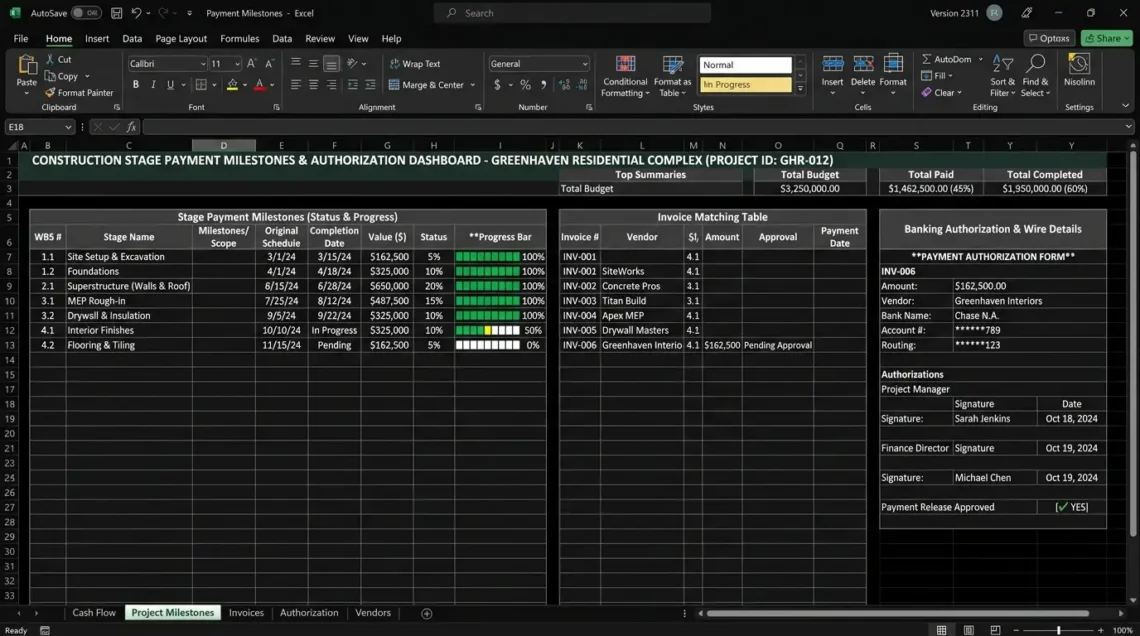
A construction drawdown percentage schedule dictates what proportion of the total contract price is payable at each milestone. Standard bank-approved schedules allocate: Deposit (5%), Base (10-15%), Frame (15-20%), Lockup (20-25%), Fixing (20-25%), and Practical Completion (5-10%). Front-loaded schedules, where builders demand large early payments, pose extreme financial risk to homeowners.
-
Bank Progress Inspections: What Valuers Inspect Before Releasing Progress Claim Funds
Before a mortgage lender releases funds for a progress claim, a bank valuer conducts a physical or photographic progress inspection to verify that the claimed milestone is 100% complete. If a builder claims 'lockup stage' but external doors or window flashings are uninstalled, the bank will refuse to release funds until the building is completely weather-tight.
-
How Construction Loans Work: Milestone Drawdowns, Bank Valuations and Progress Stages
A construction loan is a specialized mortgage where funds are disbursed incrementally across 5 or 6 construction stages (deposit, base/slab, frame, lockup, fixing, and practical completion) rather than as a lump sum. Borrowers pay interest only on the drawn balance during construction, keeping monthly holding costs lower until the build is completed.
-
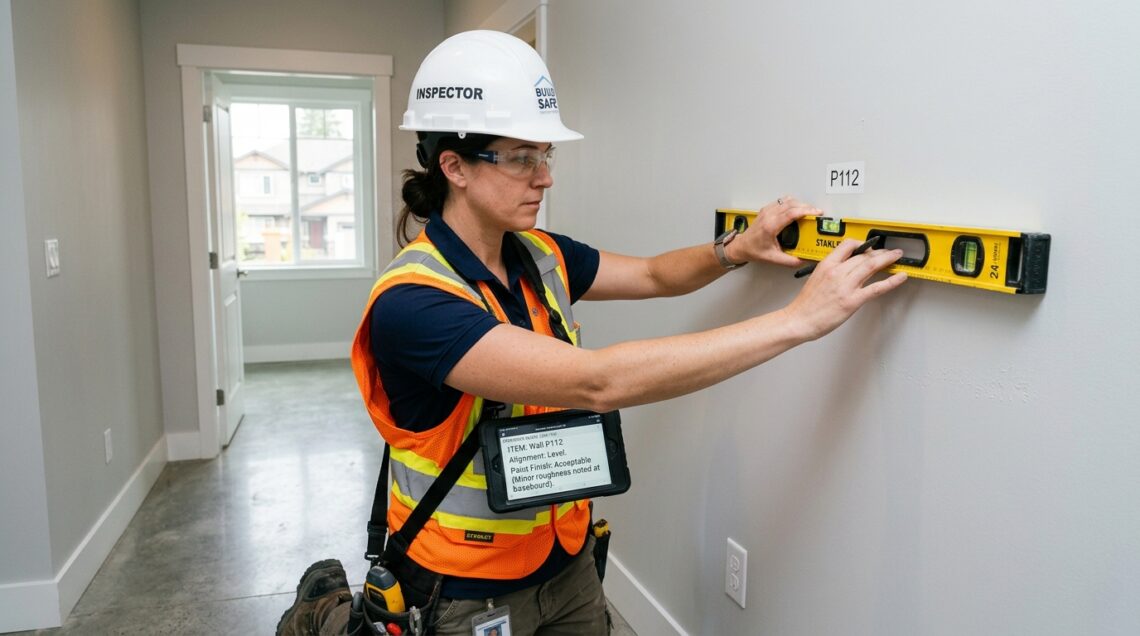
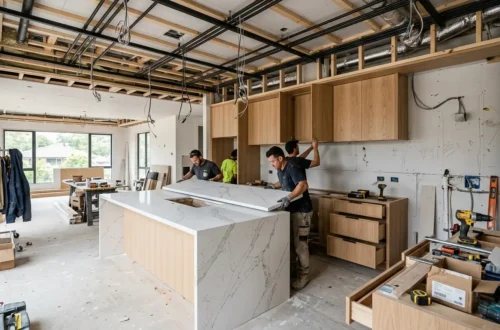
Practical Completion and Handover: How to Compile a Legally Enforceable Defect Punch List
Practical completion occurs when building works are reasonably complete and the home is fit for occupation, except for minor omissions and cosmetic blemishes. Never pay the final progress payment (typically 5% to 10% of contract value) or accept keys until a thorough practical completion inspection is conducted, a written defect punch list is signed by the builder, and the certificate of occupancy is issued.
-
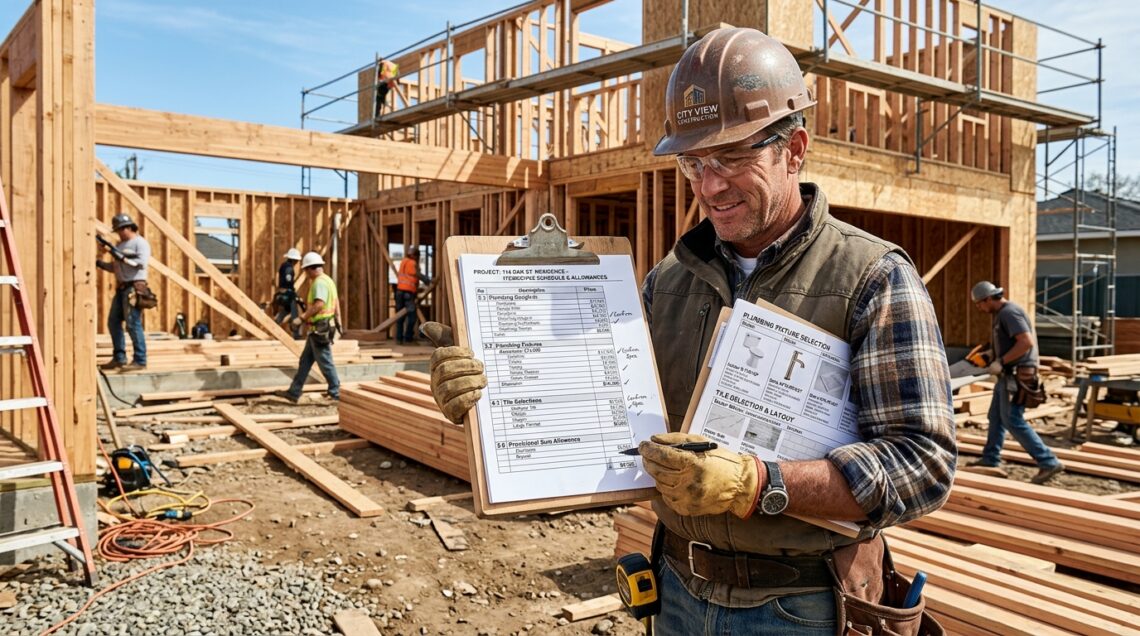
Prime Cost (PC) Items and Provisional Sums (PS): How Builders Hide Unexpected Variations
Prime Cost (PC) items are budget allowances for specific fixtures (such as bathtubs, tapware, or appliances) whose supply cost is not finalized at contract signing. Provisional Sums (PS) are allowances for foreseeable work where the full labor and material scope cannot be priced upfront (such as rock excavation or site drainage). Artificially low allowances are the #1 cause of contract price blowouts.
-
Fixed-Price vs Cost-Plus Building Contracts: Risk Analysis and Protection for Homeowners
Under a fixed-price contract, the builder assumes the risk of labor and material price fluctuations, agreeing to complete the specified scope for an agreed sum. Under a cost-plus contract, the homeowner pays the actual cost of all materials and sub-trades plus a fixed builder margin (typically 15% to 22%), leaving the final project price uncapped and highly vulnerable to cost overruns.
-
How to Vet a General Contractor: 12 Due Diligence Checks Before Signing a Construction Contract
Vetting a general contractor requires verifying active state builder licensing, minimum $5M to $20M public liability insurance, and home warranty insurance eligibility before paying any deposit. Crucially, homeowners should check the contractor's trade supplier credit accounts (to verify they pay timber and concrete suppliers on time) and inspect two completed projects in person.
-
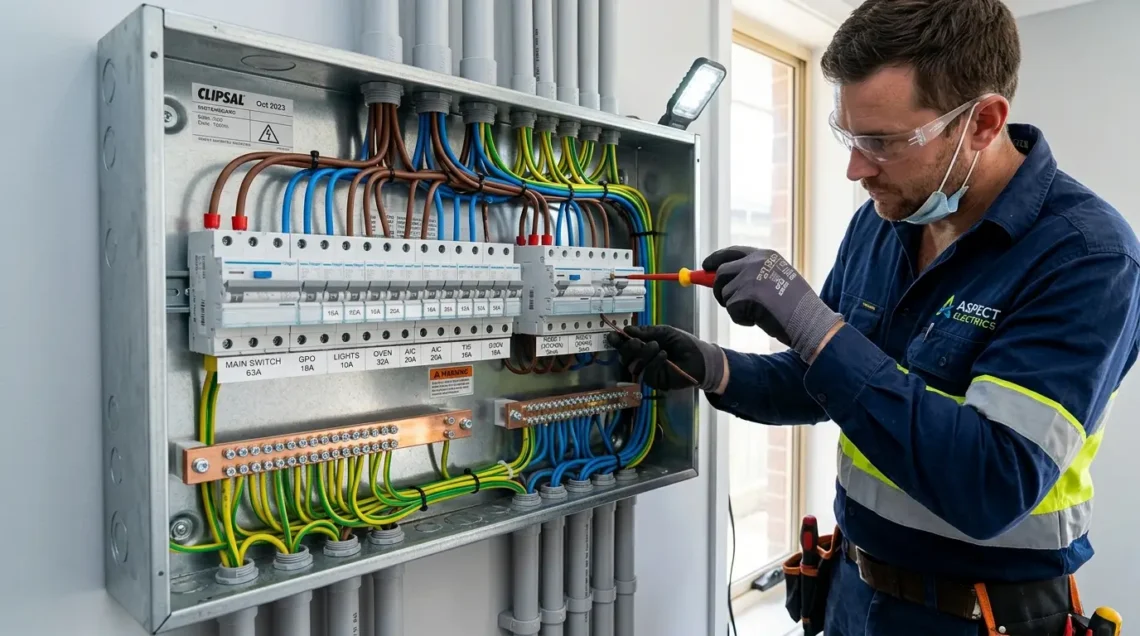
Electrical Rewiring Costs: Switchboard Upgrades, Conduit Runs and Safety Regulations
Complete electrical rewiring of a residential home costs between $6,500 and $16,000 for a 3-bedroom single-storey property, and up to $24,000 for a multi-storey residence. Replacing outdated fuse boxes with an Australian/US compliant safety switchboard adds $1,800 to $3,500. Rewiring is essential in pre-1980 dwellings containing deteriorating rubber, cotton, or ungrounded wiring.
-
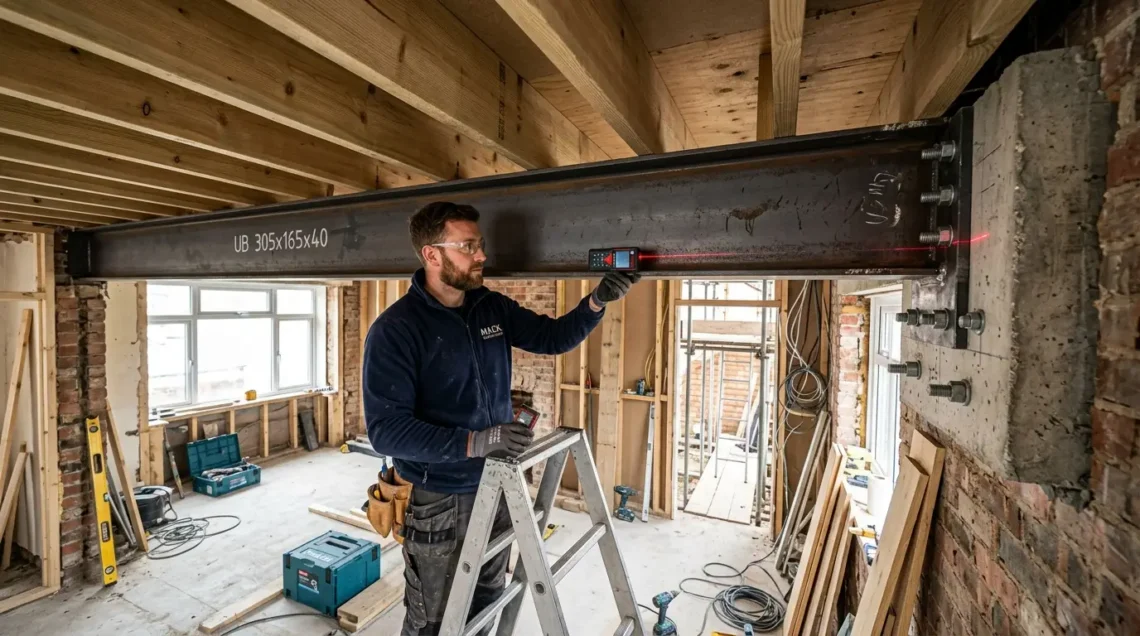
Steel Beam Installation Costs: Structural Engineer Fees, Fabricator Rates and Sizing
Installing a residential structural steel beam costs between $4,200 and $12,500 for a standard 4 to 6-metre span. Costs comprise four primary components: structural engineering calculations ($900 to $1,800), steel fabrication and prime coating ($1,800 to $4,500), specialized manual lifting equipment or mobile crane hire ($800 to $2,200), and carpenter site installation.