
Key Technical Takeaway
A renovation contingency fund is an allocated reserve—typically 15% to 20% of your total contract sum—set aside exclusively to absorb unforeseen structural defects and statutory compliance upgrades. In older dwellings, stripping back wall linings frequently exposes historical termite damage, non-compliant electrical wiring, asbestos, or unreinforced masonry that builders cannot inspect prior to demolition.
Executing residential building projects requires navigating engineering standards, trade labor coordination, and municipal building codes. In modern construction, preventing budget overruns depends upon establishing technical specifications before works begin. Homeowners frequently overlook how soil conditions, load paths, and council zoning dictate both project duration and trade complexity.
Whether undertaking a major structural alteration or evaluating contract allowances, understanding trade sequencing protects your investment. In this technical guide, our licensed building team examines the engineering principles, compliance standards, and realistic cost benchmarks governing renovation contingency budgeting: why 15 to 20 percent is essential for older properties.
What Hidden Structural Defects Are Exposed Once Demolition Commences?
When analyzing renovation contingency budget, builders must trace how framing interfaces with structural loads. Structural modifications create concentrated point loads traveling downward through studs and footings. Failing to trace these load paths causes floor deflection and cracked plasterboard over time.
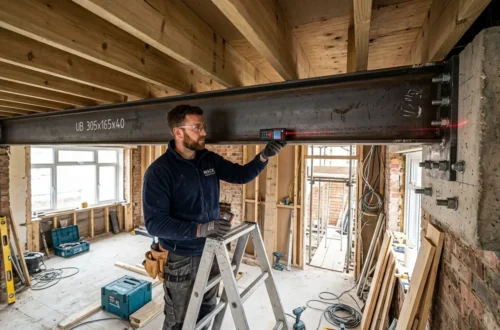
To preserve structural equilibrium, trades install engineered load-distribution beams. For instance, when homeowners calculate the fixed-price vs cost-plus building contracts, experienced estimators account for temporary shoring and steel hardware. Engaging a licensed structural engineer guarantees deflection limits comply with residential building code tolerances.
How Does a Formal Variation Order Workflow Protect Your Contingency Reserve?
Statutory regulatory compliance governs all residential construction. Before site demolition, builders must verify whether the project qualifies as exempt development, complying development (CDC), or mandates a full Development Application (DA). Unapproved work risks stop-work orders and fines.
Consulting our dedicated Construction Costs portal provides guidance on zoning setbacks, certifier inspections, and contractor licensing. Cross-referencing architectural plans with structural schedules prevents contentious contract disputes during construction.

Technical Specifications & Cost Comparison Benchmark
The following benchmark illustrates standard industry costs, trade requirements, and statutory milestones for renovation contingency budget:
| Unforeseen Renovation Defect | Average Remediation Cost | Frequency in Older Homes | Required Trade Specialist |
|---|---|---|---|
| Subfloor Termite Rot & Decay | $4,500 – $12,000 | Very Common (Homes > 40 yrs) | Carpenter & Pest Specialist |
| Outdated Knob-and-Tube or Cloth Wiring | $3,500 – $9,500 | High (Homes built pre-1980) | Licensed Electrician |
| Asbestos Sheet Removal (Eaves/Wet Areas) | $2,200 – $6,500 | Frequent (Homes built pre-1990) | Licensed Hazmat Team |
| Galvanized Sewer Pipe Corrosion | $3,800 – $8,500 | Moderate (Homes > 50 yrs) | Licensed Drainer / Plumber |
| Unreinforced Foundation Subsidence | $6,000 – $18,000 | Moderate (Reactive clay soils) | Underpinning Structural Crew |
| Illegal Historical Additions | $4,000 – $11,000 | Common in inner-suburb homes | Building Certifier & Draftsman |
Source: Chris Cumbo Construction benchmark data. Excludes sales taxes.
What Percentage Contingency Is Appropriate for New Builds vs Century-Old Homes?
On-site execution demands strict quality control. Subcontractors must follow specified fastening schedules, screw gauges, and concrete curing durations. Coordinating handovers between carpenters, plumbers, and electricians prevents accidental damage to concealed services.
Homeowners should review documentation against cost per square metre for home extensions to verify scope inclusions match milestones. Ensuring progress claims align with physical work safeguards your equity and prevents premature payments before defects are rectified.
Essential Homeowner Due Diligence Checklist
- Licence & Insurance: Verify active contractor licence, public liability cover, and home warranty insurance.
- Engineering Schedules: Obtain signed structural computations and footing inspection reports from a registered engineer.
- Written Variations: Enforce that every contract change is documented with itemized pricing before work starts.
- Certifier Sign-Off: Ensure your building certifier inspects and stamps every critical stage before payments are made.
Final Summary & Practical Guidance
Executing renovation contingency budgeting: why 15 to 20 percent is essential for older properties successfully requires balancing realistic budgeting with engineering oversight. By insisting on transparent contracts, independent certifier inspections, and trade-verified materials, homeowners protect their asset’s structural integrity. Consult a licensed builder or structural engineer before signing building contracts.
Furthermore, maintaining comprehensive photographic records across every milestone inspection provides incontrovertible evidence of code compliance before walls are closed and insulated. When homeowners archive date-stamped photographs of subfloor damp-proofing, structural tie-downs, and rough-in service penetrations, future property audits and insurance warranty evaluations remain completely transparent and straightforward.