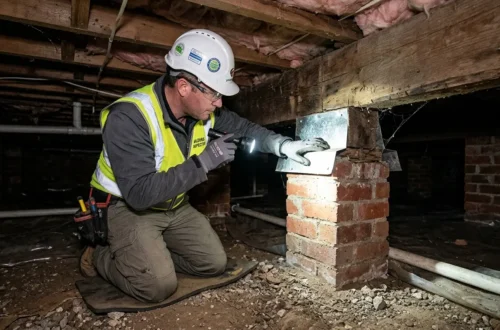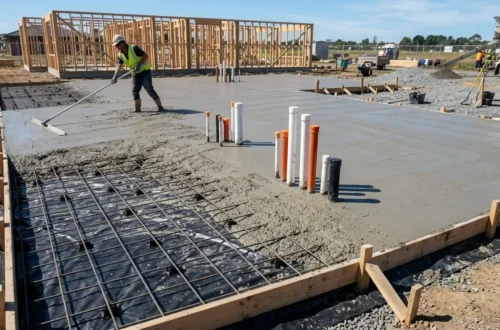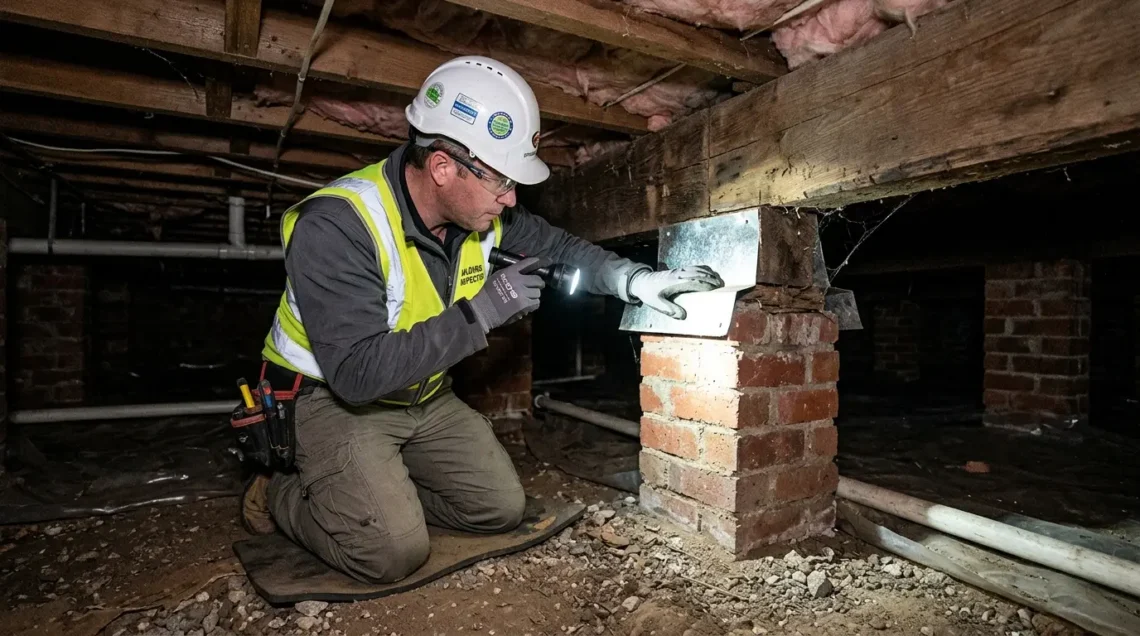
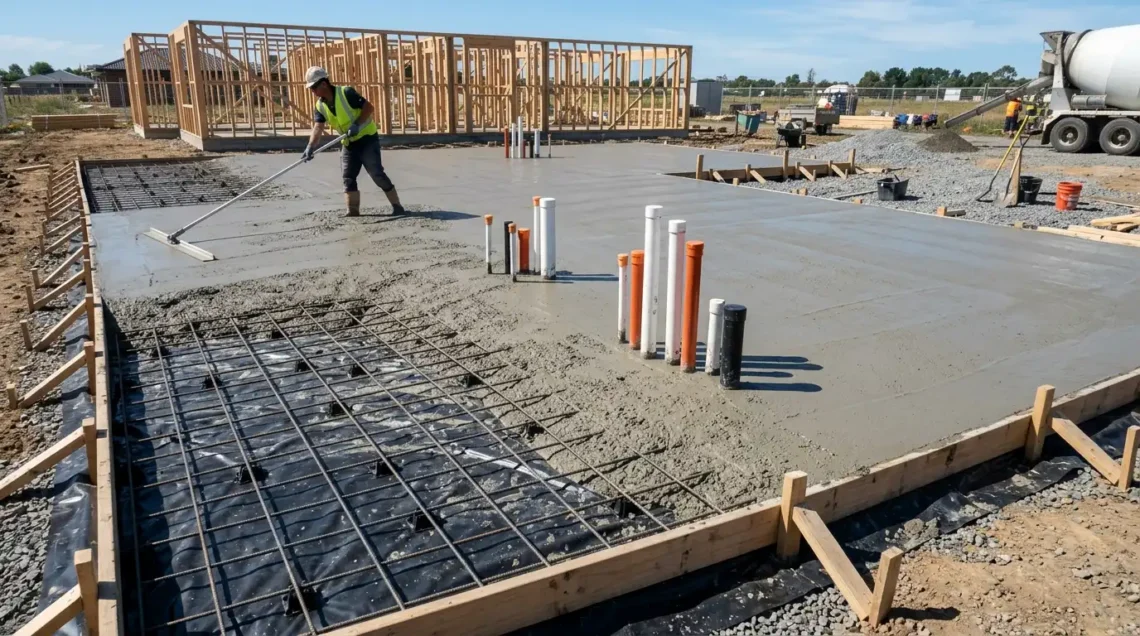
A standard concrete slab-on-ground costs $120 to $220 per square metre on level sites with stable soil, making it the most cost-effective foundation for modern extensions. Suspended timber subfloors (bearers and joists on brick piers) cost $190 to $320 per square metre but are vastly superior on sloping sites, highly reactive clay soils (Class H or E), or properties requiring accessible subfloor plumbing.
-
-
Bathroom Waterproofing Failures: Warning Signs, Membrane Standards and Rectification Costs
Waterproofing failures represent over 75% of all residential building defects. Early warning signs include peeling paint on adjoining room walls, swollen timber skirting boards, musty subfloor odors, and efflorescence along tile grout lines. Rectifying a failed shower membrane requires stripping tiles back to bare framing, replacing rotted joists, and applying certified Class III membrane.
-
Foundation Cracking vs Natural Settling: How to Identify Structural Movement and Failure
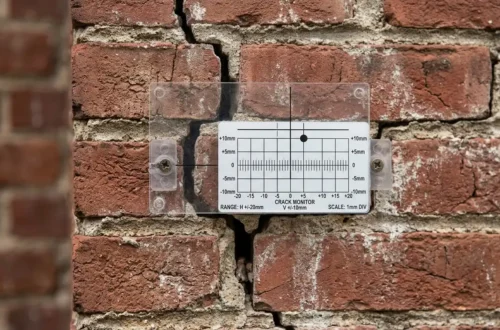
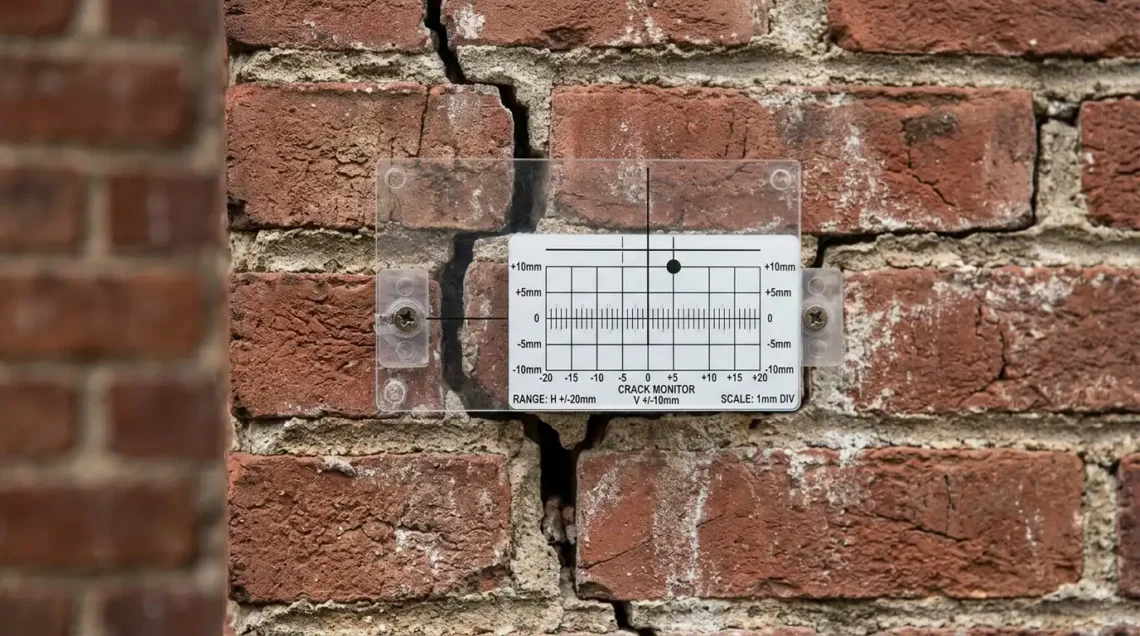
Hairline vertical cracks under 1mm wide in drywall or foundation slabs are typically benign cosmetic settling caused by initial concrete curing and timber drying. In contrast, diagonal stepped cracks in brickwork exceeding 5mm, horizontal foundation fissures, or cracks where one side is visibly displaced outward indicate differential foundation subsidence requiring structural underpinning.
-
Pre-Purchase Building Inspection Red Flags: 7 Costly Structural Defects in Existing Homes
The seven most costly structural defects uncovered during pre-purchase inspections are: foundation footing subsidence, active termite infestation and hollowed subfloor framing, failing subfloor drainage causing rising damp, sagging roof trusses, cracked masonry cavity ties, degraded waterproofing membranes, and unpermitted removal of load-bearing walls.
-
Builder Delays and Liquidated Damages: Understanding Delay Costs and Homeowner Legal Rights
Liquidated damages are a pre-agreed daily or weekly rate stipulated in the building contract to compensate the homeowner if the builder fails to achieve practical completion by the contractual completion date. Typical rates range from $350 to $1,000 per week, reflecting actual holding costs such as rental accommodation, storage fees, and additional construction loan interest.
-
Construction Drawdown Percentage Schedules: Standard Industry Payment Milestones
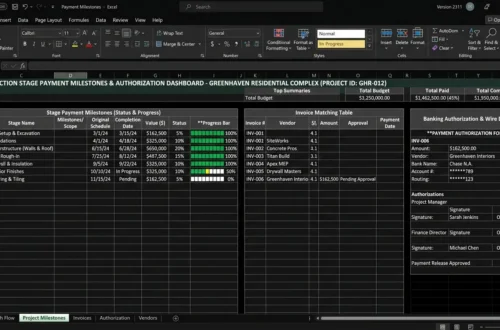
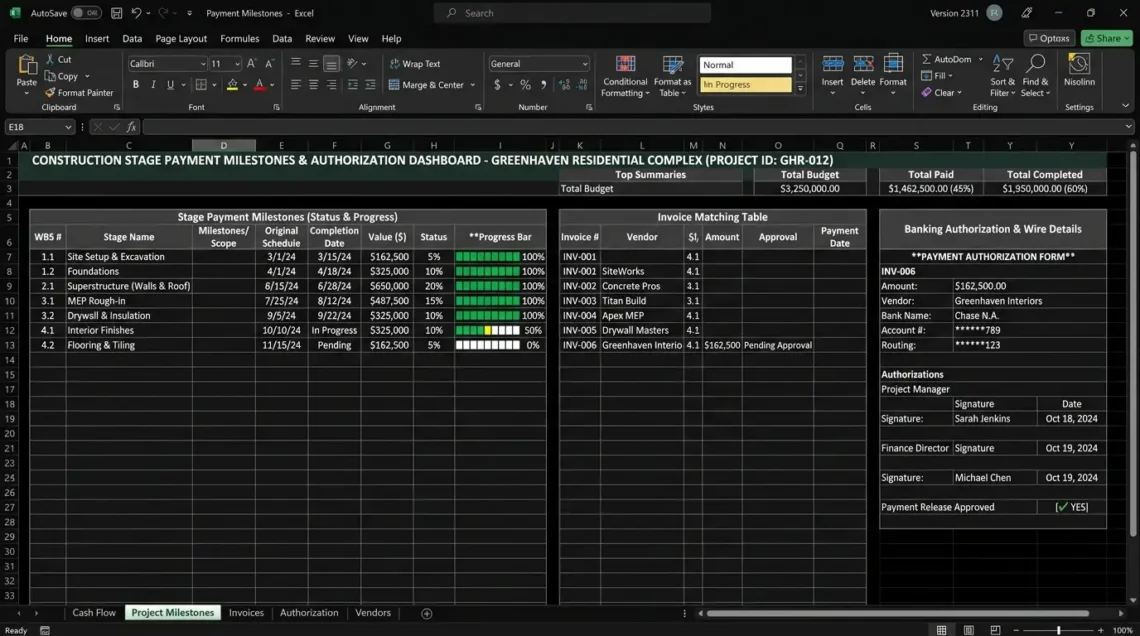
A construction drawdown percentage schedule dictates what proportion of the total contract price is payable at each milestone. Standard bank-approved schedules allocate: Deposit (5%), Base (10-15%), Frame (15-20%), Lockup (20-25%), Fixing (20-25%), and Practical Completion (5-10%). Front-loaded schedules, where builders demand large early payments, pose extreme financial risk to homeowners.
-
Bank Progress Inspections: What Valuers Inspect Before Releasing Progress Claim Funds
Before a mortgage lender releases funds for a progress claim, a bank valuer conducts a physical or photographic progress inspection to verify that the claimed milestone is 100% complete. If a builder claims 'lockup stage' but external doors or window flashings are uninstalled, the bank will refuse to release funds until the building is completely weather-tight.
-
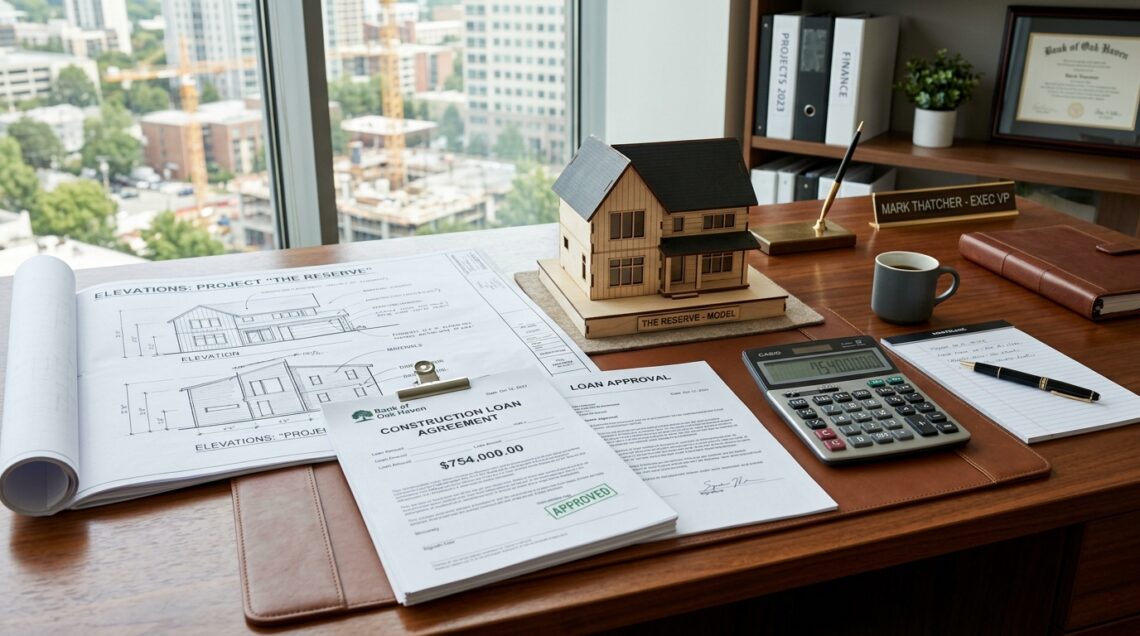
How Construction Loans Work: Milestone Drawdowns, Bank Valuations and Progress Stages
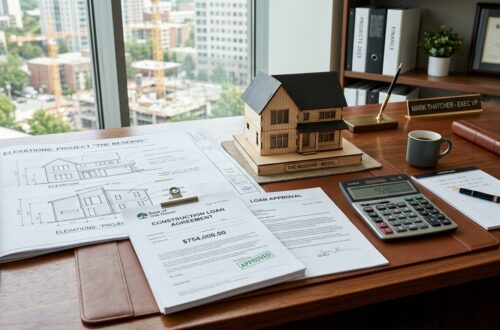
A construction loan is a specialized mortgage where funds are disbursed incrementally across 5 or 6 construction stages (deposit, base/slab, frame, lockup, fixing, and practical completion) rather than as a lump sum. Borrowers pay interest only on the drawn balance during construction, keeping monthly holding costs lower until the build is completed.
-
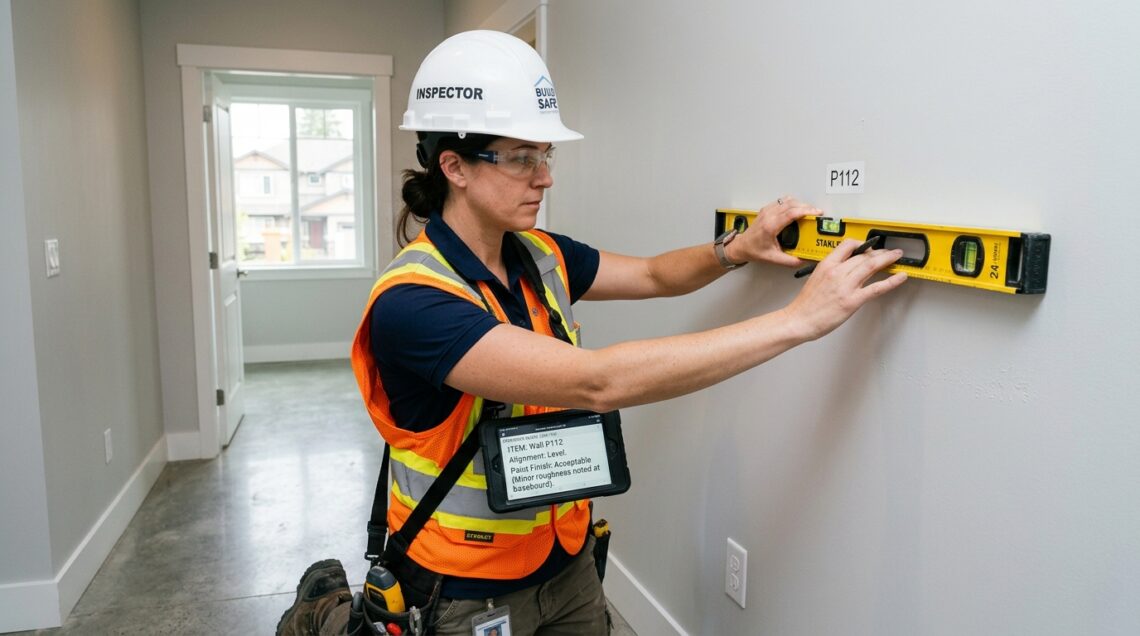
Practical Completion and Handover: How to Compile a Legally Enforceable Defect Punch List
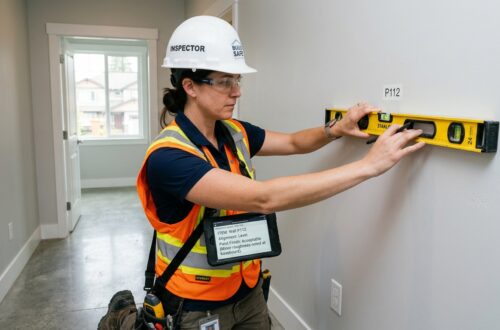
Practical completion occurs when building works are reasonably complete and the home is fit for occupation, except for minor omissions and cosmetic blemishes. Never pay the final progress payment (typically 5% to 10% of contract value) or accept keys until a thorough practical completion inspection is conducted, a written defect punch list is signed by the builder, and the certificate of occupancy is issued.
-
Prime Cost (PC) Items and Provisional Sums (PS): How Builders Hide Unexpected Variations
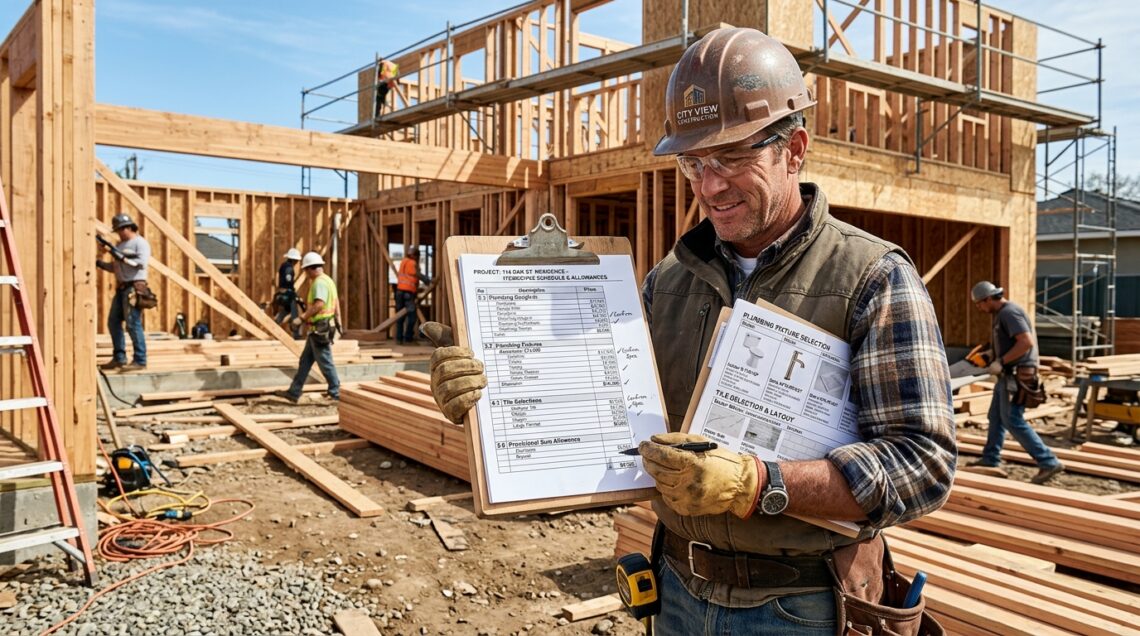
Prime Cost (PC) items are budget allowances for specific fixtures (such as bathtubs, tapware, or appliances) whose supply cost is not finalized at contract signing. Provisional Sums (PS) are allowances for foreseeable work where the full labor and material scope cannot be priced upfront (such as rock excavation or site drainage). Artificially low allowances are the #1 cause of contract price blowouts.